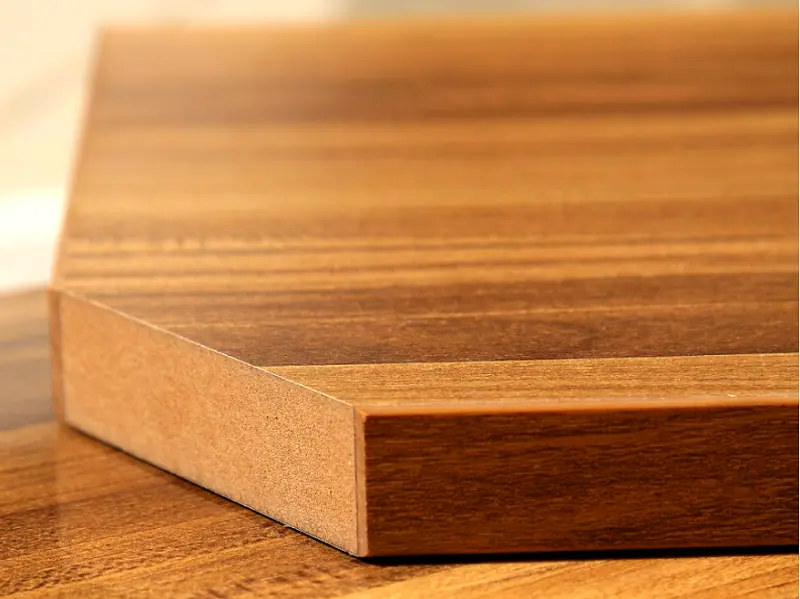
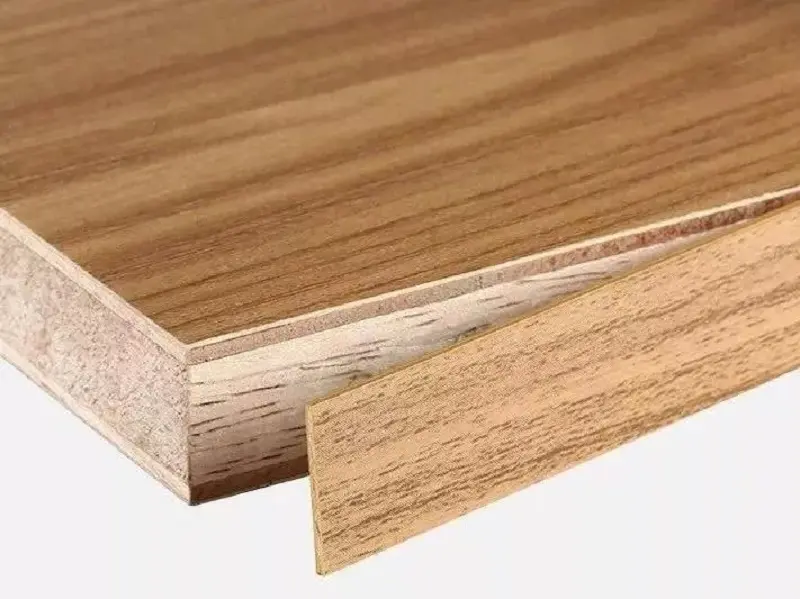
Edge banding is one of the most important processes in custom furniture manufacturing, directly affecting both quality and appearance. High-quality edge banding can reduce formaldehyde emissions, protect the core of the board, prevent moisture and insect damage, and extend the product’s lifespan.
This article introduces three mainstream edge banding technologies: EVA Edge Banding, PUR Edge Banding, and Laser Edge Banding.
EVA Edge Banding
EVA edge banding, the earliest mechanical edge banding technology applied in the market, remains the first choice for many manufacturers due to its cost-effectiveness and wide applicability.
Principle: The edge of the board is coated with high-temperature liquefied EVA adhesive. A pressure roller presses the edge band onto the board. Once cooled and solidified, the EVA forms a strong physical bond between the two.
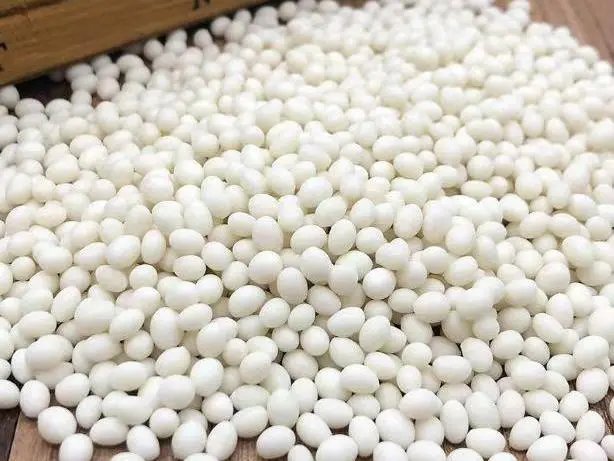
Advantages:
- Mature equipment, stable process, relatively low cost
- Suitable for various edge banding materials such as PVC, ABS, and wood veneer
Disadvantages:
- Visible glue lines (especially on light-colored boards)
- Prone to yellowing and edge lifting over time; heat resistance only around 70°C
PUR Edge Banding
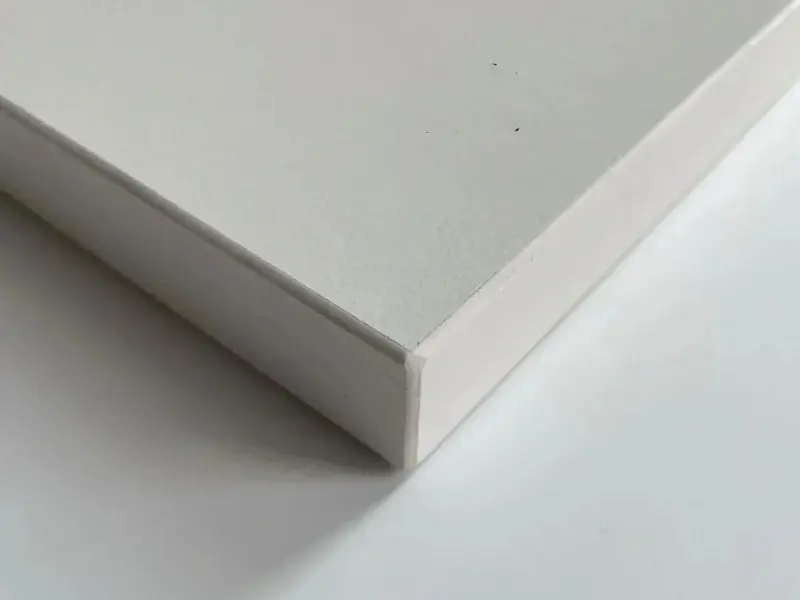
PUR edge banding is an advanced version of EVA, with improved adhesive performance and optimized process flow.
Principle: It uses moisture-curing reactive polyurethane hot melt adhesive. Heated PUR glue reacts irreversibly with moisture in the air, forming a strong chemical bond that significantly enhances durability and stability.
Advantages:
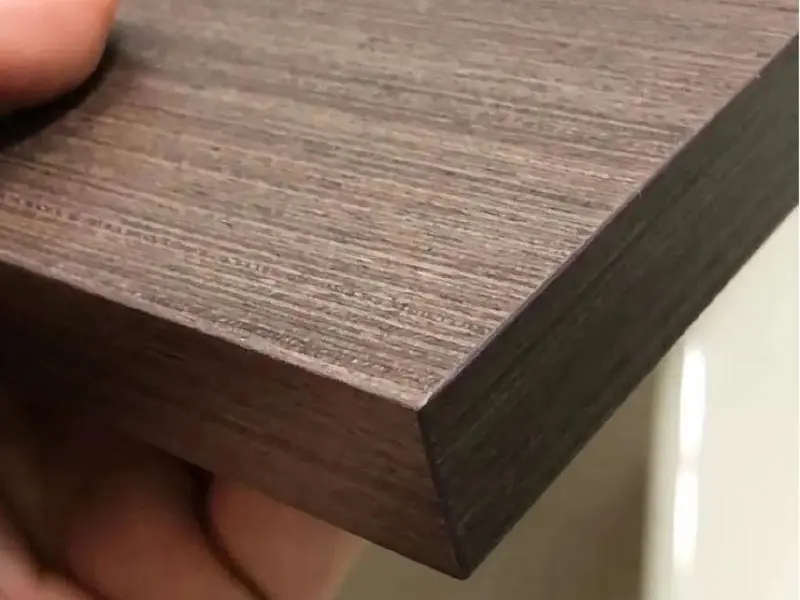
- Extremely narrow or even invisible seams for high aesthetics
- Excellent water and heat resistance, ideal for high-humidity environments such as kitchens and bathrooms
- High bonding strength and long-lasting durability
Disadvantages:
- Requires a dedicated glue machine and sealed glue tank; once opened, glue must be used within 3–5 days or it will cure and become unusable
- Higher equipment investment
Laser Edge Banding
Laser edge banding is currently the most advanced edge banding technology, delivering the best visual and functional results.
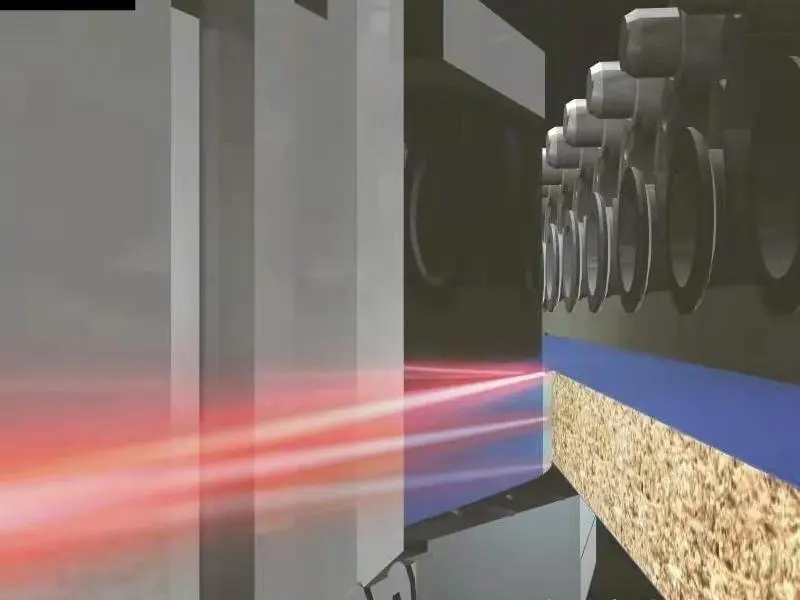
Principle: The laser instantly melts a special light-sensitive functional layer on the edge band, enabling seamless bonding to the board without the use of hot melt glue.
Advantages:
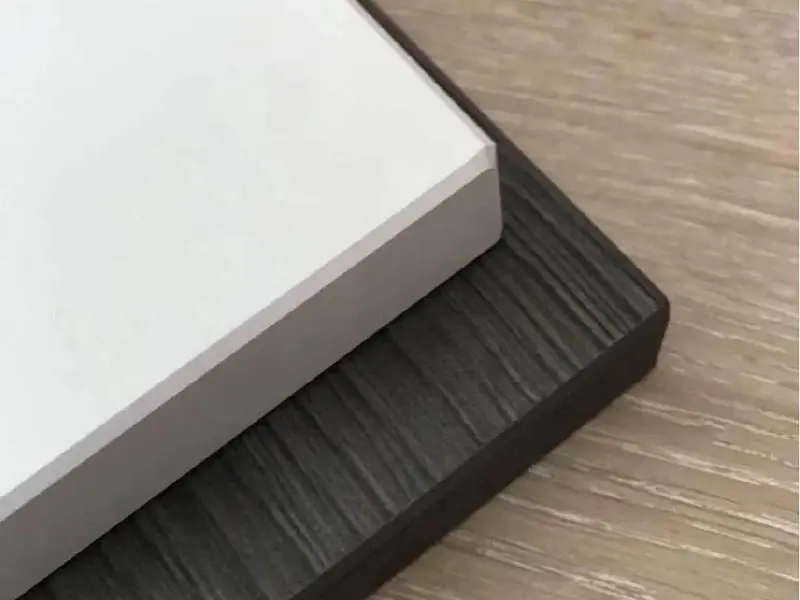
- Completely glue-free seams, perfect appearance
- Excellent water, heat, and chemical resistance
- Environmentally friendly and pollution-free
Disadvantages:
- High equipment cost and maintenance expenses
- Requires special ABS/PP/PMMA edge bands with a laser functional layer, with limited color options
Looking for a reliable edge banding solution?
OCEAN offers high-quality EVA edge banding machines, PUR edge banding machines, and custom OEM services to meet your production needs.
Contact us today to get professional support and a competitive quote for your factory!